A CAREER WITH PURPOSE
Why Dental Assisting?
WHY CHOOSE THIS CAREER
More Than Just a Job
Choosing a career is about finding the right balance between opportunity, stability, and purpose. Dental assisting offers all three, allowing you to prepare for the workforce in months instead of years while building a career focused on helping others.

Rewarding Work
Help patients feel comfortable while supporting the dental team during every stage of care.

Strong Employment Outlook
Across the United States, dental assisting has an unemployment rate of just 1.9%, making it one of the most stable healthcare support career pathways.

Competitive Earning Potential
The median annual wage for dental assistants was $47,300 in May 2024, with earning potential varying based on experience, location, certifications, and employer.

Faster Career Entry
Prepare for a career in dental assisting in just 13 weeks instead of spending years completing a traditional college degree.

Room to Grow
Expand your skills, earn additional certifications, and explore specialty practices as your career evolves.

No Previous Experience Required
Many successful dental assistants begin with no previous healthcare experience and build their skills through quality training.
A DAY IN THE LIFE
What Does a Dental Assistant Do?
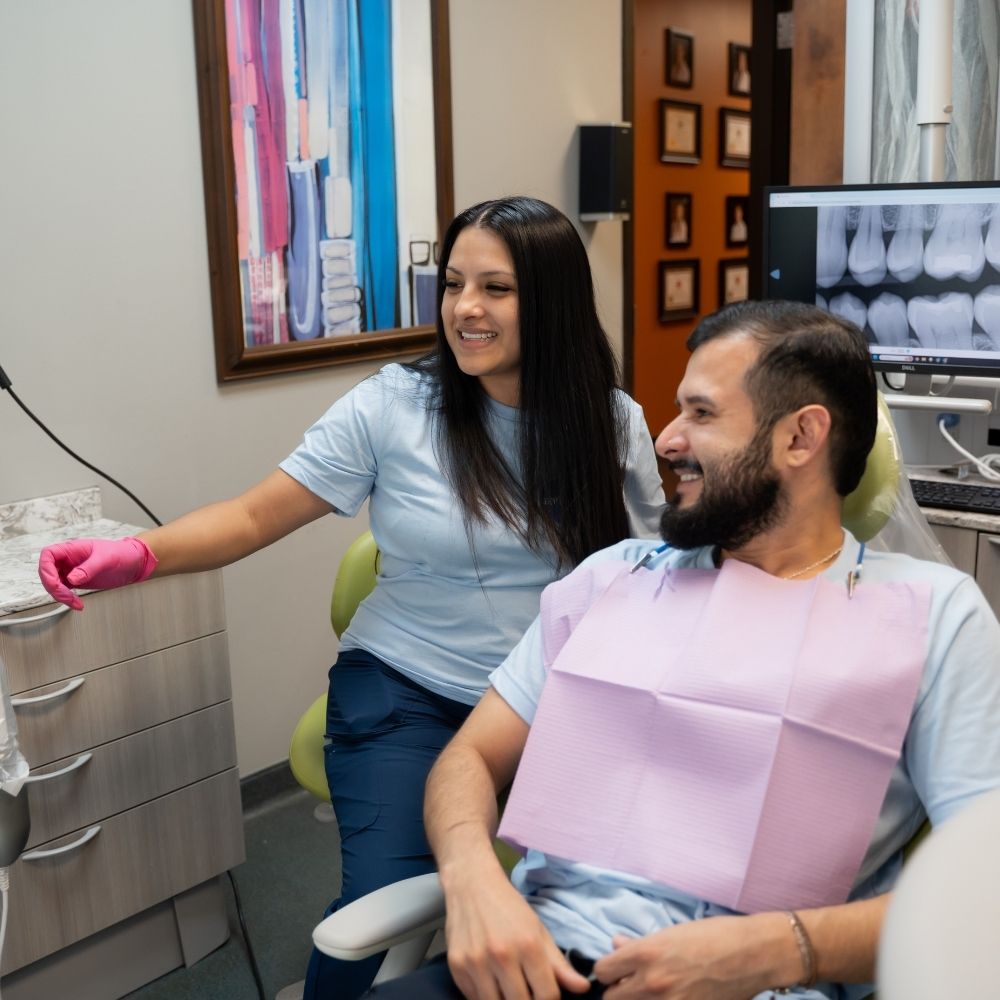
Dental assistants help bridge the gap between patients and providers. Their work supports the delivery of quality dental care while helping practices provide an organized, efficient, and welcoming experience from start to finish.

Patient Care
From the moment patients arrive, dental assistants help them feel comfortable, informed, and supported throughout their visit.

Clinical Support
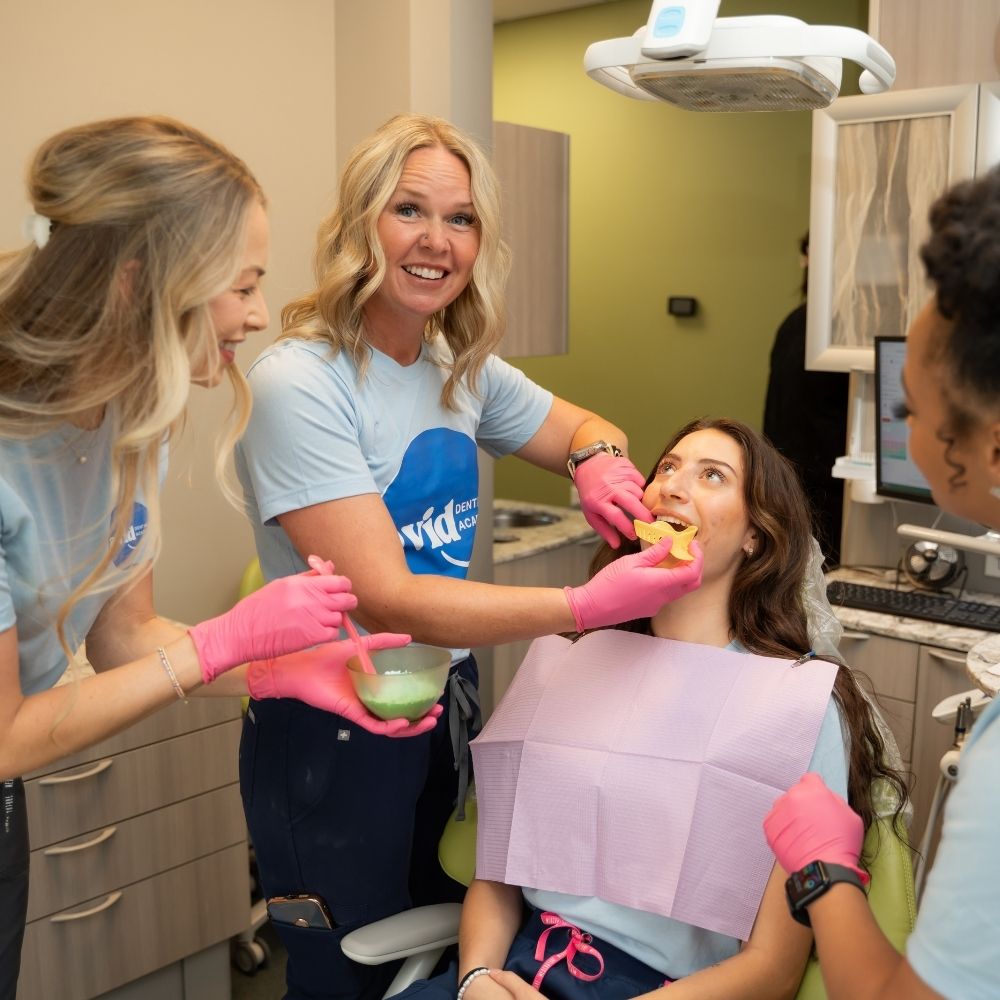
Dental assistants work closely with the dentist during a variety of procedures, helping deliver safe, efficient, and high-quality patient care.

Office Support
Behind the scenes, dental assistants help keep the practice organized so patients, providers, and appointments stay on track.
WHO THRIVES
Is Dental Assisting Right for You?
Successful dental assistants come from many different backgrounds, but they often share similar interests and strengths. While there’s no single formula for success, certain qualities can help you thrive in this profession.
You Enjoy Helping Others
You Like Working With Your Hands
You Enjoy Learning New Skills
You Thrive in a Team Environment
WHERE IT CAN TAKE YOU
Career Opportunities
A career in dental assisting doesn’t have to follow a single path. As you gain experience, you may choose to work in different practice settings, expand your skills, or pursue opportunities that align with your interests and long-term goals.

General Dentistry
Many dental assistants begin their careers in general dentistry, where they work with patients of all ages and assist with a wide variety of procedures. This broad experience helps build a strong clinical foundation while exposing you to many aspects of everyday dental care.

Specialty Practices
As you gain experience, you may choose to work in a specialty practice such as orthodontics, oral surgery, pediatric dentistry, or periodontics. These settings allow dental assistants to develop specialized knowledge while working with patients who require more focused care.

Opportunities to Grow
Dental assisting offers opportunities for continued professional growth throughout your career. Whether you earn additional certifications, expand your clinical responsibilities, or move into leadership roles, there are many ways to continue building your skills and advancing within the profession.
UNDERSTANDING THE DIFFERENCE
Which Career Path Fits You?
If you’re interested in working in dentistry, you’ll find several career paths to choose from. Understanding the differences between these roles can help you decide which option best matches your interests, educational goals, and the amount of time you want to spend preparing for your career.
| Comparison | Dental Assistant | Dental Hygienist | Dentist |
|---|---|---|---|
| Primary Role | Supports dentists during patient care and clinical procedures | Focuses on preventive care and dental cleanings | Diagnoses, treats, and manages oral health conditions |
| Typical Education | Certificate or diploma program | Associate or bachelor’s degree | DDS or DMD degree |
| Time to Enter Workforce | Months | 2–4 years | 8+ years |
| Patient Interaction | High | High | High |
| Hands-On Clinical Work | Yes | Yes | Yes |
| Career Focus | Chairside assisting, radiography, patient care, office support | Preventive care, periodontal therapy, patient education | Diagnosis, treatment planning, restorative and surgical procedures |
| National Average Salary (2026) | National: $45,000 to $48,000 per year Arkansas: $36,790 to $46,730 per year | National: $81,400 to $92,460 per year Arkansas: $82,620 to $93,600 per year | National: $192,380 to $382,839 per year Arkansas: $127,540 to $209,720 per year |
| Licensure Required | Varies by state | Yes | Yes |
YOUR TRAINING MATTERS
Why You Should Choose Avid Dental Academy
Over 23 Years of Dental Industry Experience
Clinical Immersion at Arkansas Family Dental
Access to Advanced Dental Technology
13-Week Hybrid Learning Program
Industry-Recognized Certifications
Exposure to Specialized Dental Procedures
STILL DECIDING?
Why Dental Assisting FAQs
The more you know about dental assisting, the easier it is to decide whether it’s the right career for you. Here are answers to some of the most common questions about the profession, career opportunities, and what you can expect along the way.
Is dental assisting a good long-term career?
For many people, yes. Dental assisting offers the opportunity to build a stable career in healthcare while making a meaningful difference in patients’ lives. As you gain experience, you can continue developing your skills, pursue additional certifications, or explore different practice settings based on your interests.
What is the typical work schedule for a dental assistant?
Most dental assistants work full time during regular business hours, although schedules vary by practice. Some offices may offer evening or occasional weekend hours, giving you the opportunity to find a work environment that fits your lifestyle and career goals.
Can I become a dental assistant without previous healthcare experience?
Absolutely. Many dental assistants begin their careers with no prior healthcare experience. A quality training program provides the knowledge, skills, and experience needed to prepare for entry-level opportunities in the field.
Can dental assistants continue their education?
Yes. Learning doesn’t have to stop after completing your training. Many dental assistants continue expanding their knowledge through additional certifications, continuing education, and experience in specialized areas of dentistry throughout their careers.
Can dental assisting lead to other opportunities in dentistry?
Dental assisting provides valuable experience within the dental field and a strong understanding of patient care and clinical procedures. Some professionals choose to build long-term careers as dental assistants, while others use their experience as a foundation for pursuing additional education or other opportunities in dentistry.
THE NEXT CHAPTER
Start Building Your Future
If you’re looking for a career that can support you for years to come, dental assisting is worth serious consideration. It offers long-term stability in a growing field while giving you the chance to make a meaningful difference in the lives of others.